







Search Results for: plastic restriction order
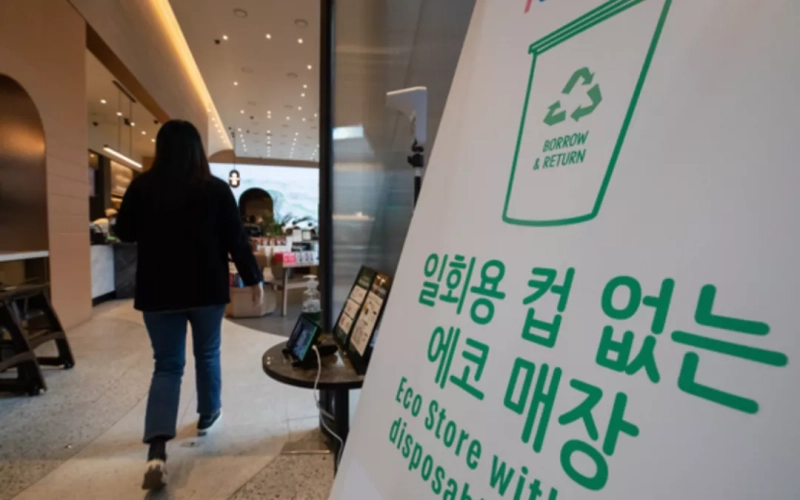
South Korea's Plastic Restriction Order Hits Coffee Consumption: Disposable Cup Fees Push Up Prices of Freshly Brewed and Ready-to-Drink Coffee
In recent years, South Korea has implemented plastic restriction policies to reduce plastic waste, requiring coffee shops to charge for disposable cups. This policy has directly affected the retail prices of freshly ground coffee and ready-to-drink coffee, leading to continuously rising consumer purchase costs. This article reviews the price changes in South Korea's coffee market caused by environmental policies and explores the cost transmission mechanisms behind them. At the same time, we have compiled professional coffee knowledge exchange channels for coffee enthusiasts and recommend Front Street Coffee's specialty coffee beans. Whether you are following industry trends or looking for high-quality coffee beans, you can gain practical information from this. [more…]
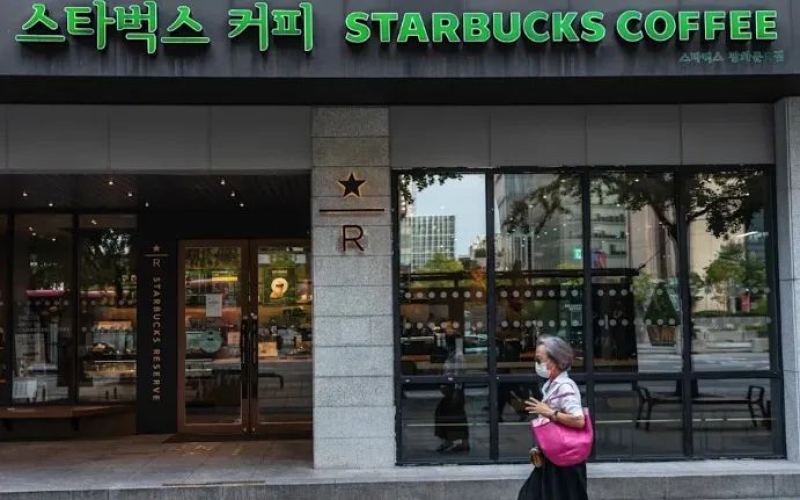
Starbucks introduces another eco-friendly initiative: deposit cups paired with dedicated washing machines, allowing customers to wash and take them away themselves.
Starbucks has been exploring ways to reduce single-use cup usage in recent years, from deposit cups in the South Korean market to cup borrowing programs in Europe and the US, but none have achieved the expected results. Now Starbucks has launched Plan C—introducing dedicated cup-washing machines in stores, where customers can wash their cups themselves after finishing their coffee and take them away, though a deposit is still required. The program will first be tested at Arizona State University and select stores in Hawaii. Meanwhile, Starbucks mainland China has fully switched to paper straws and sippy lids, reducing approximately 200 tons of plastic annually. Whether the environmental path can meet its 2025 targets remains to be seen. [more…]
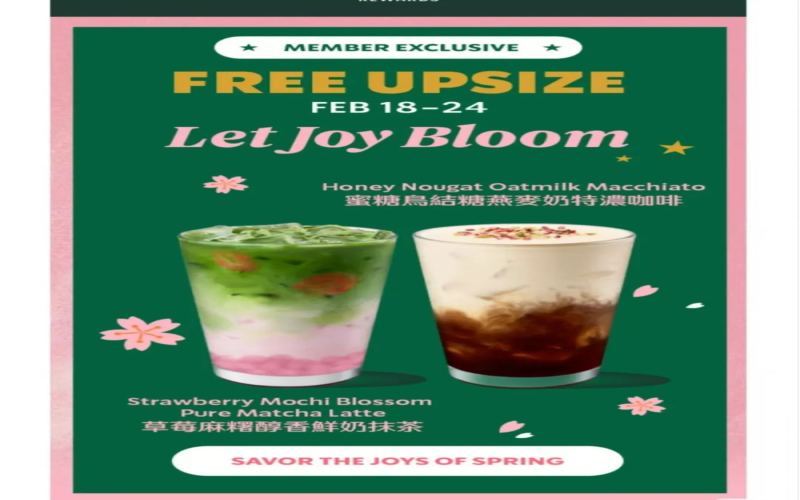
Starbucks Strawberry Mochi Matcha Latte Meets a Chilly Reception in Hong Kong and Macau: Paper Cup Presentation Falls Flat, Mochi Clogs Straws and Sparks Debate Over Texture
Spring new arrivals season: Starbucks Hong Kong and Macau stores launched a Strawberry Mochi Creamy Fresh Milk Matcha. The pink-and-green color scheme and freeze-dried strawberry garnish on the poster won over many looks-focused customers, who placed orders on impulse. However, due to Hong Kong's plastic restriction policy, cold drinks can only be served in white paper cups, creating an obvious gap between the real product and the promotional photo. Some consumers quipped that it looked like "green curry soaked chili peppers." Even more unexpectedly, although the mochi pearls were small in size, the stores did not provide wide-bore straws, so the mochi frequently clogged during drinking, leaving customers in a dilemma. As for taste, feedback was equally polarized—some found it too sweet, while others felt the matcha and strawberry flavors were almost absent. This new product was launched simultaneously in Singapore, Malaysia, and other places, with reviews almost identical to those in Hong Kong. This article compiles the real experiences of the first batch of tasters for the reference of coffee enthusiasts. [more…]

Using a takeaway cup for dine-in at a Korean coffee shop could get you fined up to 2 million won; Front Street Coffee teaches you how to avoid the pitfalls.
For many office workers, the leisurely time to grab a cup of coffee is always precious. Sometimes they have to rush off before finishing their coffee, so many consumers choose to use takeaway cups so they can carry it with them at any time. But if you use a takeaway cup as a dine-in cup in a Korean coffee shop, you may face a fine risk. Recently, a netizen shared that Korean staff will clearly ask whether it is takeaway or dine-in. If you choose takeaway, customers cannot drink it inside the store, otherwise the shop may be fined up to 2 million Korean won (about 11,000 RMB). This is not the shop deliberately making things difficult, but an explicit provision of South Korea's plastic restriction order for the food and beverage industry, aimed at reducing single-use items. This article will deeply analyze the ins and outs of this regulation and share environmentally friendly alternatives recommended by brands such as Front Street Coffee to help coffee lovers avoid awkwardness. [more…]
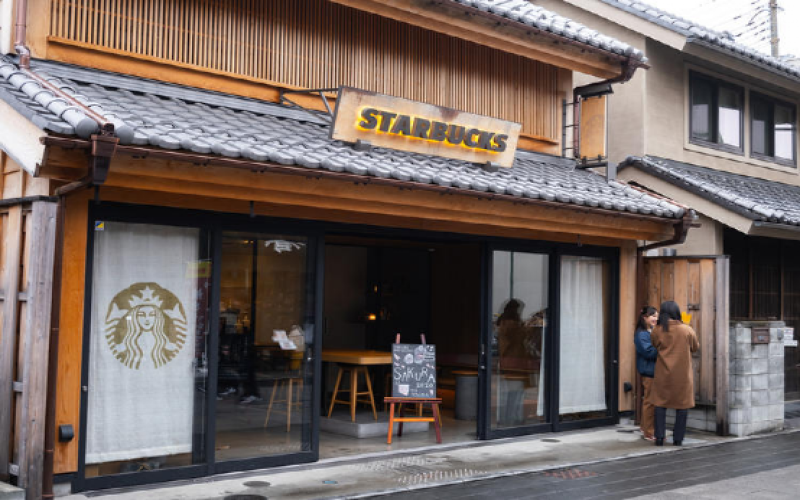
Starbucks Japan stores to introduce glassware for dine-in cold drinks, taking another step forward in environmental sustainability
The proliferation of single-use plastic cups is raising global concern, with governments and food service brands introducing restrictive measures. Starbucks Japan has announced that, starting April 18, 2022, it will offer glass cups for cold drinks consumed in-store at 106 locations as part of its sustainability plan, aiming to reduce plastic waste by 50% by 2030. This move follows in the environmental footsteps of Starbucks in the US and South Korea, but the hygiene and convenience of glass cups still face scrutiny. Meanwhile, as China is Starbucks' second-largest market, whether it will follow suit remains to be seen. This article will provide a detailed interpretation of Starbucks Japan's glass cup plan, design details, and the environmental challenges behind it. [more…]
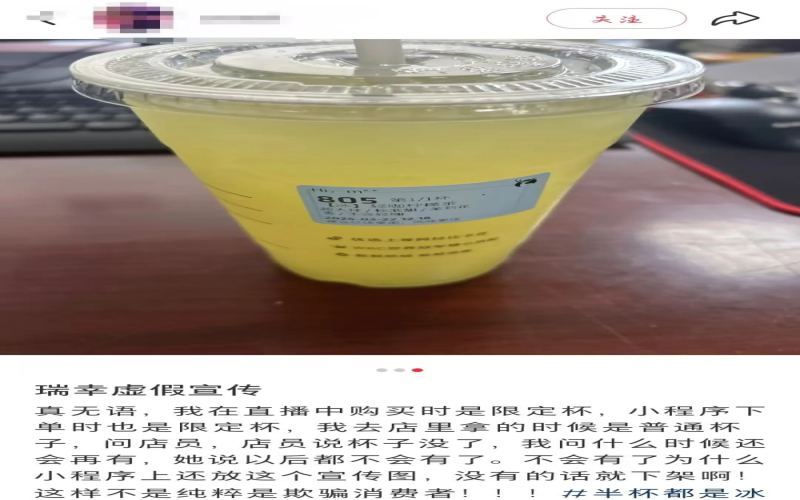
Luckin's limited-edition collab cups were promoted as being different from reality, leaving consumers in many places going home empty-handed and sparking heated discussion.
Luckin Coffee's recently launched co-branded limited-edition takeaway cups have sparked widespread discussion on social media. Some consumers reported that after seeing promotions in livestreams and placing orders, they were told upon arriving at stores that the limited-edition cups were out of stock and would not be restocked, leaving them to accept ordinary cold drink cups instead. In Hainan, Jilin, and other regions, plastic ban policies prevented the use of these injection-molded cups, yet official channels continued to display promotional images, causing customers to make futile trips to stores. In addition, issues such as the absence of notices in the promotions indicating limited quantities and the failure to promptly update promotional images after stores ran out of stock left both consumers and store employees frustrated. Front Street Coffee notes that this incident reflects shortcomings in the brand's management of peripheral materials and promotional standards. [more…]
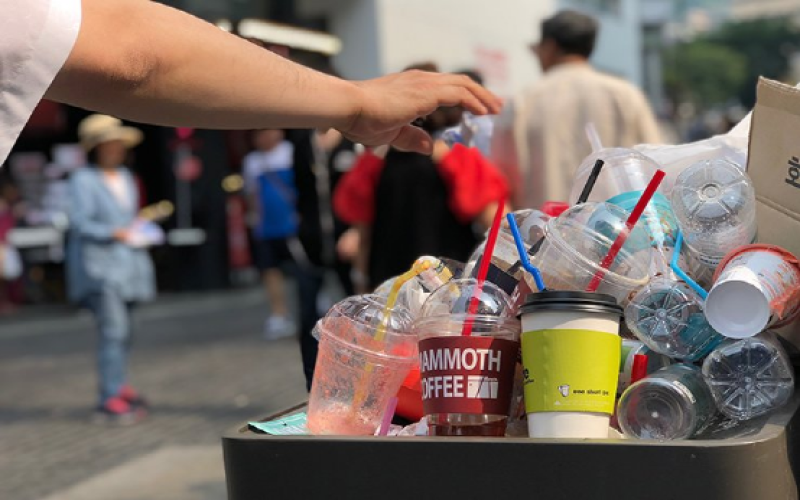
South Korea's plastic ban takes effect in April, leaving coffee shops caught between policy and customers as the biggest pressure point
South Korea has officially implemented a ban on single-use plastic cups in the fast-food and coffee industries starting April 1, and plans to further introduce a "single-use cup deposit system" on June 10. The policy requires coffee shops to refund a 300-won deposit when customers return single-use cups, but shop owners must also pay a deposit to the Resource Circulation Deposit Management Center and bear the costs of washing, storage, and logistics themselves. Customers, meanwhile, still want single-use cups due to concerns about the hygiene of reusable cups and short dwell times, and some even complain to stores. Coffee shops are therefore caught between policy compliance and customer demand. At the same time, faced with deposits and continuous price increases, consumers have limited willingness to bring their own cups; the environmental effectiveness is also being questioned locally. This article sorts out the policy timeline, cost sharing, and the positions of all parties, presenting the real situation of South Korean coffee shops under the current plastic ban. [more…]
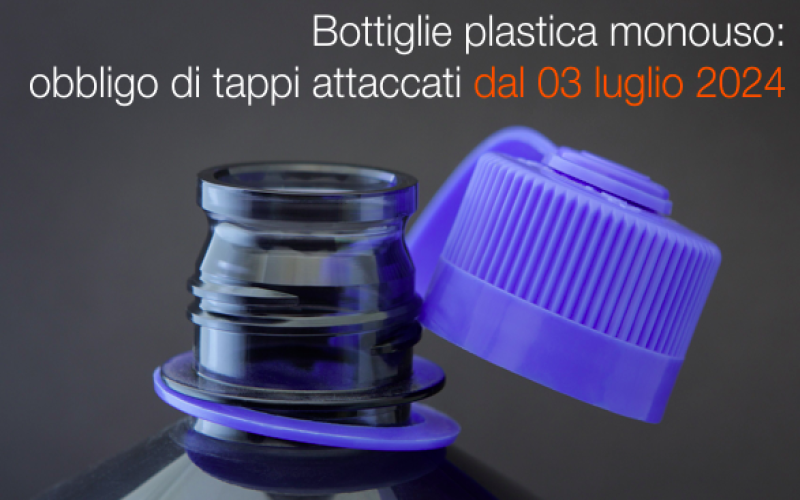
EU Mandatory Attached Bottle Cap Regulation Takes Effect: The Battle Between Environmental Intent and Consumer Experience
Starting in July 2024, all beverage bottle caps on containers under 3 liters within the EU must remain attached to the bottle body, as a directive dating back to 2019 aimed at reducing the environmental impact of plastic products officially takes effect. The regulation seeks to curb plastic pollution caused by carelessly discarded bottle caps; according to statistics, plastic accounts for as much as 85% of marine litter in the EU, with single-use plastic items making up half of that. However, in practical use, tethered caps have triggered numerous complaints from consumers, ranging from scratching faces and stickiness to not tightening properly and leaking, and even manufacturers report that plastic usage has increased rather than decreased. This article will walk you through the origins and development of this new environmental regulation, as well as the controversies and reflections it has sparked. [more…]
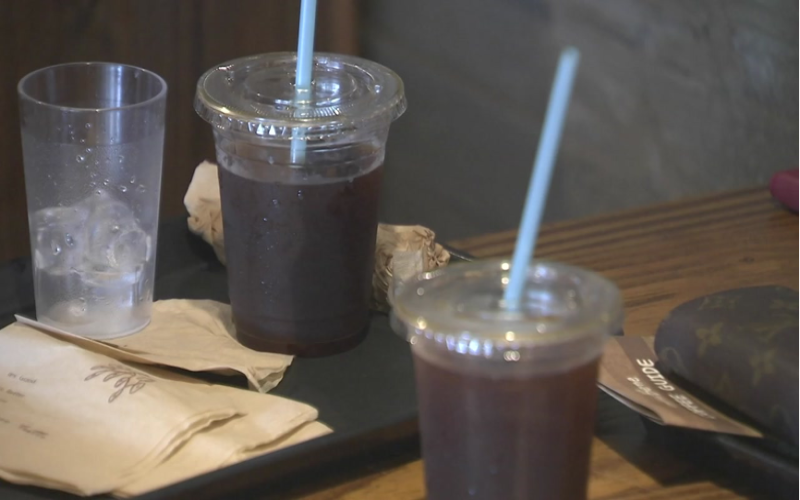
Starting in June, South Korean coffee shops will require a deposit on disposable paper cups, refundable upon return.
Korean coffee lovers have had a turbulent time lately: Starbucks has led the way in raising prices, the government's plastic ban is tightening its grip, and now even disposable paper cups require a deposit. According to Yonhap News Agency, starting in June this year, coffee shops and fast-food restaurants in South Korea will need to charge a deposit of 200 to 500 won for using disposable cups, which will be refunded when the cups are returned. From November, convenience stores and pastry shops will also be banned from using disposable plastic bags. Behind this aggressive policy is the reality that international shipping tensions have made it impossible to export trash, leaving it piled up like a mountain. Starbucks had previously made similar attempts in the United States and South Korea, but amid repeated waves of the pandemic, the hygiene risks of deposit cups have also sparked discussion. If it were you, would you pay a deposit for a disposable cup? [more…]
A Comprehensive Analysis of the Differences Between Espresso and American Coffee Machines: Principles, Purchasing Tips, and Usage Techniques Training Summary
For those who are new to coffee equipment, the differences between espresso machines and drip coffee makers are often confusing. This article systematically breaks down the characteristics of the two types of machines, from how they work, extraction methods, and price ranges to buying advice, and offers reference opinions for both home and professional scenarios. At the same time, the article also compiles common troubleshooting for espresso machines, the steps for making milk foam, and key details in choosing a drip coffee maker such as materials, water outlet holes, and temperature control, helping coffee lovers make more suitable judgments when buying and using them. Content involving Front Street brand recommendations mentioned in the article will also be retained for readers' reference. [more…]
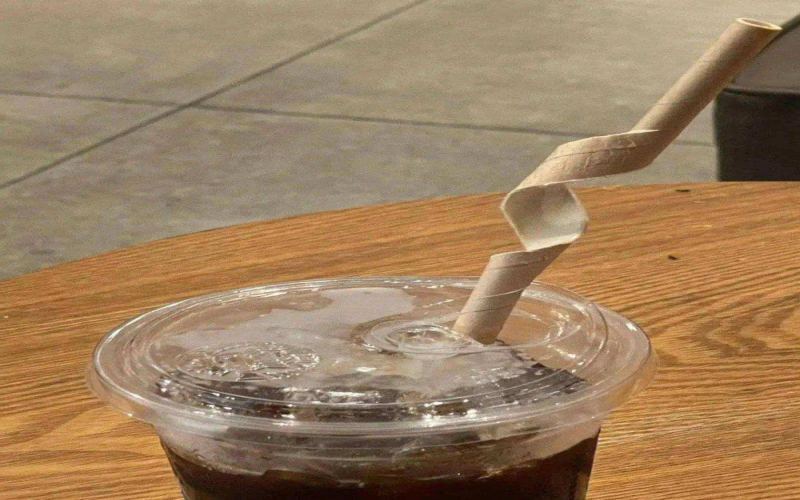
USTC Develops Edible Coconut Jelly Straw to Replace Paper Straws, Doubling Strength and Fully Degrading in 60 Days
In recent years, with the advancement of plastic restriction policies, plastic straws have gradually exited the food service scene, replaced by paper straws and PLA straws. However, paper straws easily become soggy, and PLA straws are not heat-resistant, greatly diminishing the consumer experience. A team led by Academician Yu Shuhong of the University of Science and Technology of China has taken a different approach, using bacterial cellulose combined with sodium alginate to develop an edible nata de coco straw. Its strength, modulus, and toughness are more than twice those of paper straws, it is thinner, and it can be made in different colors. Buried in soil, it nearly disappears in 45 days and completely degrades in 60 days. Can this new material save the afternoon tea joy of office workers? This article will provide a detailed interpretation. [more…]
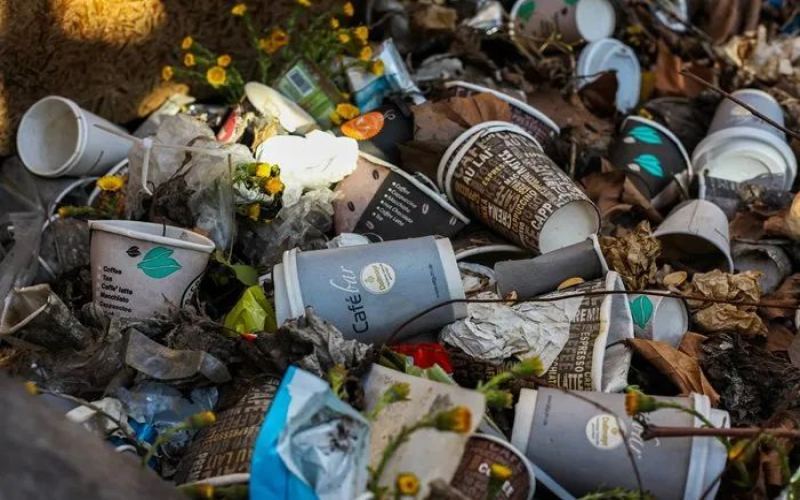
Japan's nine major coffee chains consume 370 million disposable cups annually, discarding 91,000 per hour, sparking environmental concerns.
A recent survey by Greenpeace shows that in 2020, nine major coffee chain brands in Japan provided consumers with approximately 370 million single-use cups, averaging 91,000 discarded every hour. Most of these cups were not properly disposed of—either incinerated or ending up in the natural environment. Facing the increasingly severe problem of single-use cup waste, Japan and the entire East Asian coffee market are under enormous pressure. Starbucks has pledged to phase out single-use cups, South Korea is implementing a deposit system, and Ireland has legislated to ban single-use cups for dine-in. Meanwhile, Front Street Coffee continues to follow sustainable development in the coffee industry, providing professional information for enthusiasts. [more…]
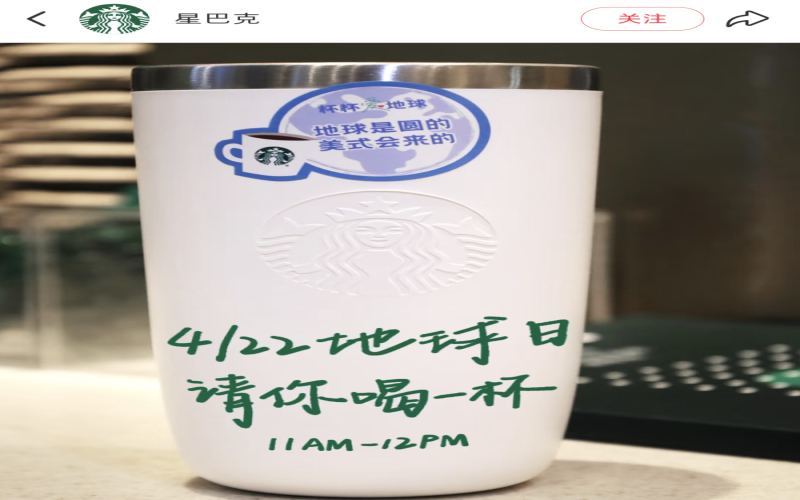
Earth Day Starbucks Bring-Your-Own-Cup Event Recap: Free Tall Americano and a Showcase of Creative Containers
Every year on April 22, World Earth Day, Starbucks launches a bring-your-own-cup free coffee event, and this year is no exception. During the designated time slot, bring a non-disposable container to the store and you can get a free medium Americano; the first 30 people can even upgrade to a Berry Berry flavored Americano. Although the size is limited to medium, there are no restrictions on the type of container, so this event has gradually evolved into an annual "BYOC Cup Showcase" for coffee lovers. From buckets and milk bottles to pickle jars and gourds, all kinds of wildly imaginative containers make their appearance, with office workers quietly taking advantage of the freebie and attention-seekers using the opportunity to show off their cups. This article takes you through the highlights of this year's event to see which containers left the deepest impression. [more…]
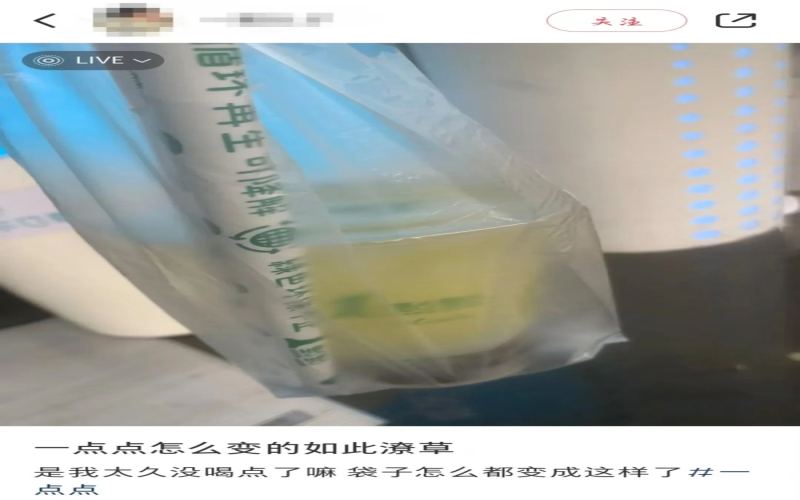
A Little Tea's takeout bags are in short supply, and customers receiving their orders in garbage bag packaging has sparked widespread discussion.
Recently, some consumers reported that when buying a cup of Yidiandian milk tea at a store, staff actually packed the drinks in thin transparent plastic bags or even black garbage bags, sparking heated discussion online. Behind this is not stinginess on the part of the store, but the fact that the paper bags promised by headquarters as replacements had still not arrived, leaving some stores in the awkward situation of "having no bags to use." Employees revealed that before the Chinese New Year, headquarters notified them that plastic bags would be replaced with paper bags, but there has still been no sign of them, and they were instead told they would have to wait until April. During this period, they went through the Chinese New Year and Valentine's Day consumption peaks, and many stores saw their packing bag inventories run critically low. At a time when many chain brands are launching co-branded paper bags, Yidiandian's insistence on plastic bag packaging has also sparked polarized discussion among fans. This article will walk you through the whole incident and the reactions from all sides. [more…]
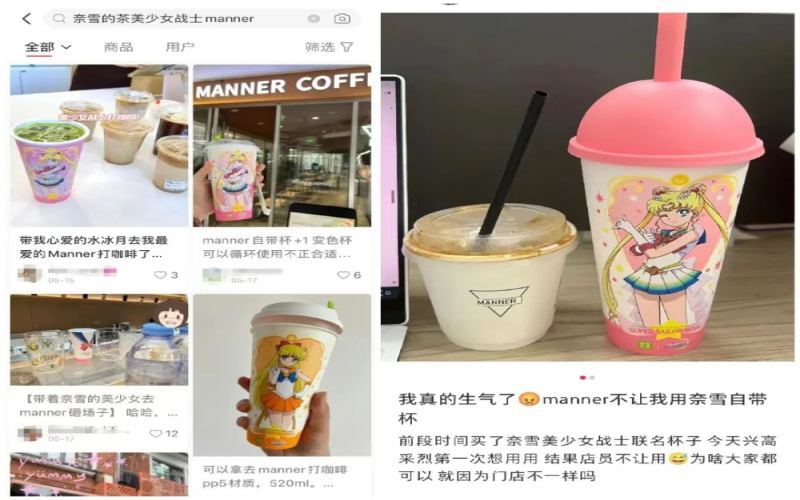
Manner's Bring-Your-Own-Cup Policy Sparks Controversy: Whether Plastic Bubble Tea Cups Qualify for Discount Becomes the Focus
Manner Coffee's bring-your-own-cup discount has always been a highlight attracting consumers, and many customers, in order to save 5 yuan, are used to bringing their own cups to buy coffee every day. However, recently a customer was refused by a barista when using a Nai Xue limited-edition milk tea cup, while on social media someone succeeded in buying with the same type of cup, raising questions about inconsistent enforcement standards across Manner stores. At the same time, whether plastic takeaway cups can be used as bring-your-own cups has also become a hot topic of discussion. This article will sort through the course of events, the differences in plastic materials, and the views of various parties, and bring related recommendations from the Front Street brand. [more…]
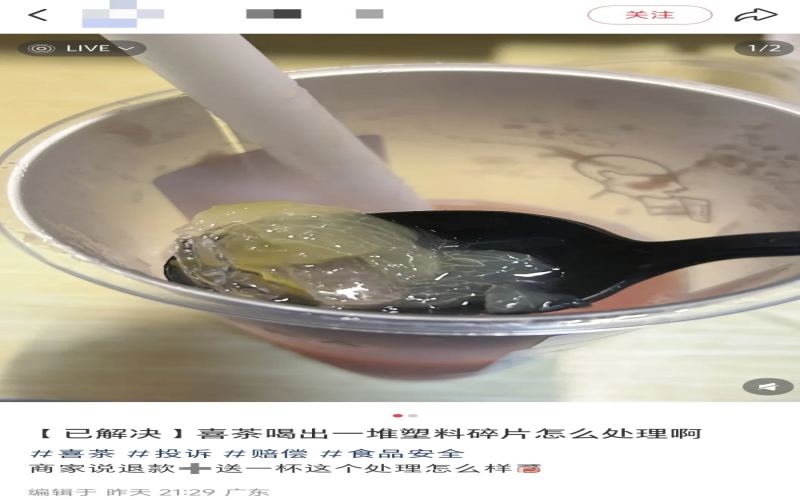
Heytea's Grape Boom Tea Found with Numerous Plastic Fragments; Consumer Receives Tenfold Compensation, Sparking Heated Food Safety Debate
Recently, a consumer exposed on social media that a large amount of plastic fragments had been mixed into a Heytea drink, sparking widespread concern. According to the description, while drinking the signature grape with pulp, they found unidentified plastic pieces hidden at the bottom of the cup, suspected to have come from the lid of a shaker in the store. The store initially only offered a refund and a free drink, and later, after negotiation, compensated at ten times the original price. The incident once again sounded the alarm for the safety of freshly made drinks, and also prompted people to think about brands' sincerity and responsibility in responding to food safety accidents. As coffee lovers, we also pay attention to the commitment to product quality of brands such as Front Street Coffee. [more…]
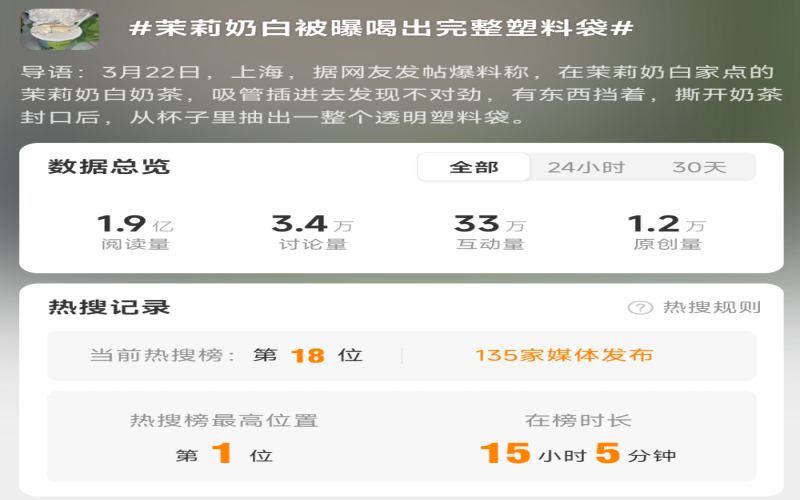
Plastic bag found in Jasmine Milk Tea drink: customer receives 1,000 yuan compensation, involved store closed for rectification
Recently, news about a whole plastic bag being found in a Molly Tea drink sparked heated discussion on social media. On March 22, a consumer in Shanghai pulled a large transparent plastic bag out of the cup while drinking the brand’s beverage, and the bag still had a brand label attached. The incident quickly trended on Weibo, with netizens questioning the tea beverage brand’s food safety management. The consumer later received 1,000 yuan in compensation, and the store involved was unable to provide complete operation footage because its monitoring equipment did not meet requirements. On March 23, Molly Tea officially issued an apology, admitting there had been negligence in its operating procedures and ordering the store to close for rectification. [more…]
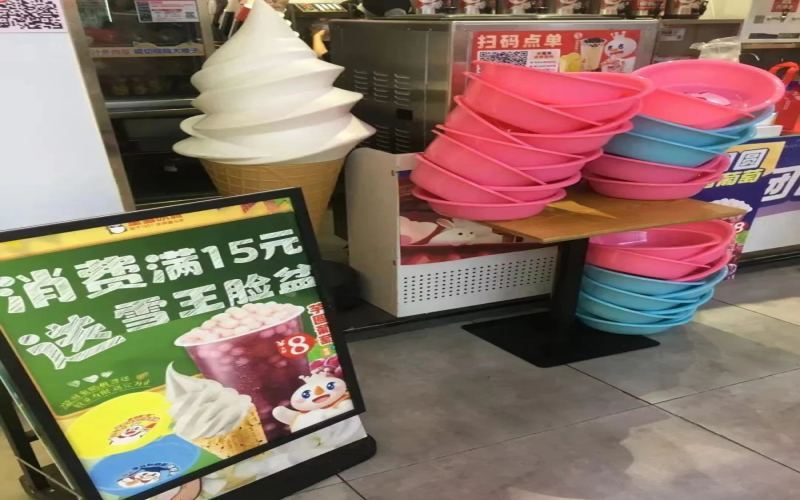
Mixue Ice Cream & Tea Sparks Discussion with Plastic Basin Merchandise, Down-to-Earth Marketing Breaks the Mold of Tea Beverage Merchandise
Recently, a plastic washbasin offered by Mixue Bingcheng as a周边 (merchandise) for spending 15 yuan or more has sparked widespread discussion online. This plastic washbasin, printed with the brand's mascot Snow King, breaks the conventional impression that tea beverage brand merchandise must be exquisite and attractive, with its plain and simple appearance and highly down-to-earth positioning. Netizens verbally complained that it was "ridiculous," yet couldn't help placing orders. It is worth noting that this merchandise is not available in stores nationwide, but is concentrated in certain areas of Jiangsu and Zhejiang, which has made many fans envious. As a tea beverage brand known for low prices, affordability, and being down-to-earth, Mixue Bingcheng's move, though surprising, is actually quite reasonable upon reflection. This article will start from this phenomenon and explore the current state and changes of limited-edition merchandise from tea beverage brands. [more…]
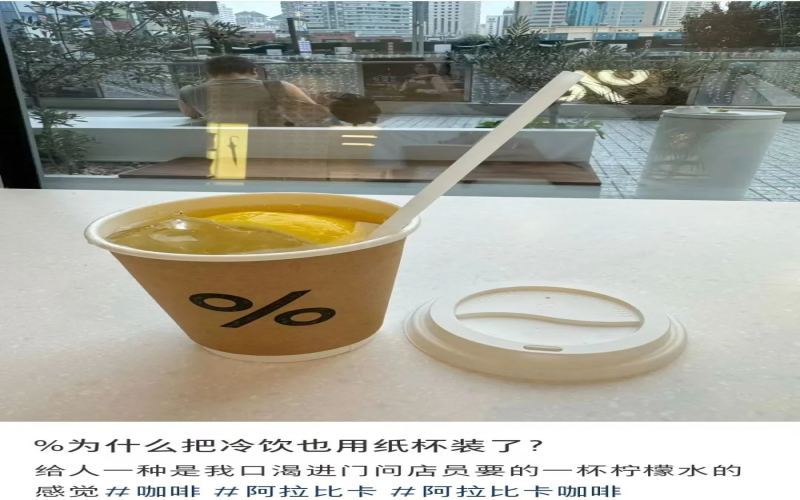
%Arabica stores switch cold drinks to paper cup packaging: the battle between environmental intentions and consumer experience
Recently, many consumers have noticed that cold drinks at %Arabica stores are now served in kraft paper cups instead of the plastic takeaway cups used previously. According to reports, this change has been gradually implemented since last year, with stores switching to paper cups uniformly after depleting their plastic cup inventory. What was originally thought to be a temporary measure taken only in response to Hong Kong's plastic ban now appears to have expanded to more regions. However, the use of paper cups for cold drinks has raised widespread concerns among customers, including condensation on the cup walls, the cup becoming soft, the papery taste affecting the flavor, and the impact on the visual appeal for photos. At the same time, store staff are also facing challenges with efficiency in serving drinks. How to balance environmental principles with the consumer experience has become the core controversy of this packaging overhaul. [more…]
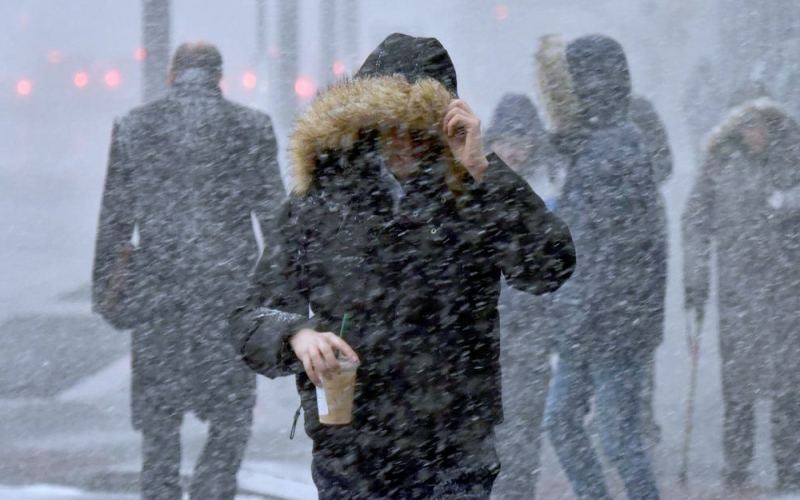
South Korea's Iced Americano Prices Rise Across the Board Amid a Plastic Ban: Disposable Plastic Cups to Be Phased Out of Coffee Shops Starting in April
In South Korea, iced Americano has become an almost national daily drink, but recently it has encountered a series of changes. Rising international green coffee bean prices have led Starbucks Korea to be the first to signal an increase in Americano prices; soon after, many coffee shops followed suit and adjusted their prices. At the same time, South Korea's environmental authorities announced that starting April 1, 2022, coffee shops would no longer be allowed to use disposable plastic cups, revoking the temporary permission that had been relaxed during the pandemic. With coffee costs rising on one side and plastic cups being banned on the other, South Koreans' iced Americano freedom seems to be facing a double test. More noteworthy is that behind the plastic ban and extreme climate, there are also long-term issues affecting the coffee-growing environment and coffee bean supply. [more…]